
Fringe and Ponytail Hairstyles: Easy Updos
Fringe and ponytail hairstyles unite the relaxed charm of face-framing bangs with the clean utility of an everyday updo. Written for women who want an easy daily look, this guide from BabunobGem walks through flattering pairings of bang types and ponytail heights, step-by-step techniques and low-tension styling tips.
Key highlights
- Pairing fringe density with ponytail placement can help balance your look across different face shapes.
- Sectioning the front fringe before gathering the back helps keep your hair’s natural movement.
- A wide fabric tie can spread the hold over more hair than a thin elastic.
- Keeping the hold loose at the hairline can reduce pulling on your front strands.
Understanding Fringe and Ponytail Pairings: Balance, Angles, and Density
A balanced fringe and ponytail updo matches the density of your front hair to the height of the gathered base. The right height can counterweight your bangs and keep the look from feeling top-heavy or flat.
Combining bangs with an updo is a versatile styling choice. A simple ponytail pulls hair away from the face entirely, while a fringe adds soft framing lines around the forehead, temples and cheekbones. That contrast can turn a utilitarian updo into an intentional hairstyle for workdays or weekend outings.
A cohesive look depends on how hair weight is distributed between the front layers and the back gather. When you style a ponytail with bangs, tension shifts across the scalp. A heavy fringe draws the eye, so the ponytail base should complement your proportions rather than compete with the bangs. Knowing this helps you avoid an updo that feels disjointed or unbalanced.
The Geometry of Face Framing: Curtain, Blunt, and Wispy Bangs
Every fringe cut alters the visual boundary of the face. Curtain bangs sweep outward toward the cheekbones, creating diagonal angles that soften broad foreheads and accentuate eye level. When paired with a mid-height gathered base, curtain layers establish a tapered effect that blends backward toward the nape.
Blunt bangs feature a sharp, horizontal line across the brow. This bold geometry draws focus downward toward the eyes and nose. Pairing a blunt fringe and ponytail requires careful crown elevation; a completely flat crown can make blunt bangs appear severe, whereas soft crown volume provides a supportive arch.
Wispy and feathered fringes introduce airy texture. These lighter strands allow forehead skin to peek through, producing a gentle, lived-in feel. A wispy bang and ponytail combination works especially well with softer, textured gatherings where stray tendrils look intentional rather than disheveled.
Determining Ponytail Height: Low, Mid, and High Elevations
The elevation of your ponytail base determines the energy and posture of the entire updo. A low ponytail sits near the occipital bone or nape of the neck. This placement creates an understated, romantic profile that pairs naturally with side-swept fringe or long, parted curtain strands. It offers a relaxed feel suited for casual daily wear. On relaxed days, a messy ponytail pairs easily with bangs, and these ideas show how to keep it tidy.
A mid-height ponytail rests directly along the horizontal eye line when viewed from profile. This anchor provides balanced counter-weight for moderate to dense bangs. It spreads hair weight across the rear curve of the head, which can reduce downward drag. For extra texture at the back, our twist ponytail styles show a few ways to dress up a mid-height tail.
A high ponytail rises above the ears toward the crown, generating an upward diagonal lift. While a sleek ponytail with bangs at this height delivers a crisp, contemporary aesthetic, it demands precise tension management. Gathering strands too tightly can pull delicate front root areas backward, distorting the natural fall of your fringe.
Structural Role of Fabric Wraps and Tension Distribution
Traditional elastic bands concentrate clamping pressure along a narrow strip of hair fibers. Over repeated daily wear, this focused constriction can lead to strand creasing, surface frizz, and localized breakage along the crown. Wider fabric fasteners, such as scrunchies or broad cloth bands, can spread that holding pressure over a larger area. To compare options beyond fabric bands, read about the types of hair elastics and how each one grips.
In our studio, we work with natural fibers every day. A wide fabric wrap covers more of the ponytail base than a thin elastic, which can mean less pinching, and it adds a small decorative detail to ponytail hairstyles with bangs. You can also see our hand-embroidered silk scrunchie, a small floral detail for a ponytail.
| Fringe Type | Ponytail Elevation | Structural Balance Point | Recommended Updo Aesthetic |
|---|---|---|---|
| Wispy French Fringe | Mid Ponytail | Soft crown lift behind crown seam | Casual, breezy daytime gathering |
| Curtain Bangs | High Ponytail | Diagonal lift aligned with cheekbones | Modern lifted silhouette |
| Full Blunt Bangs | Low Ponytail | Clean horizontal contrast at nape | Classic architectural profile |
| Side-Swept Fringe | Asymmetrical Low Pony | Diagonal sweep countering base anchor | Soft romantic gather |
| Micro / Baby Bangs | High Sleek Pony | Smooth back line, open brow line | Crisp, graphic studio look |
| Bottleneck Fringe | Textured Mid Pony | Narrow center curving to flared temples | Relaxed cottagecore updo |
| Shaggy Feathered Bangs | Messy High Pony | Finger-raked volume throughout crown | Bohemian textured movement |
| Long Grown-Out Fringe | Low Nape Pony | Blended ear-tuck framing jawline | Understated vintage simplicity |
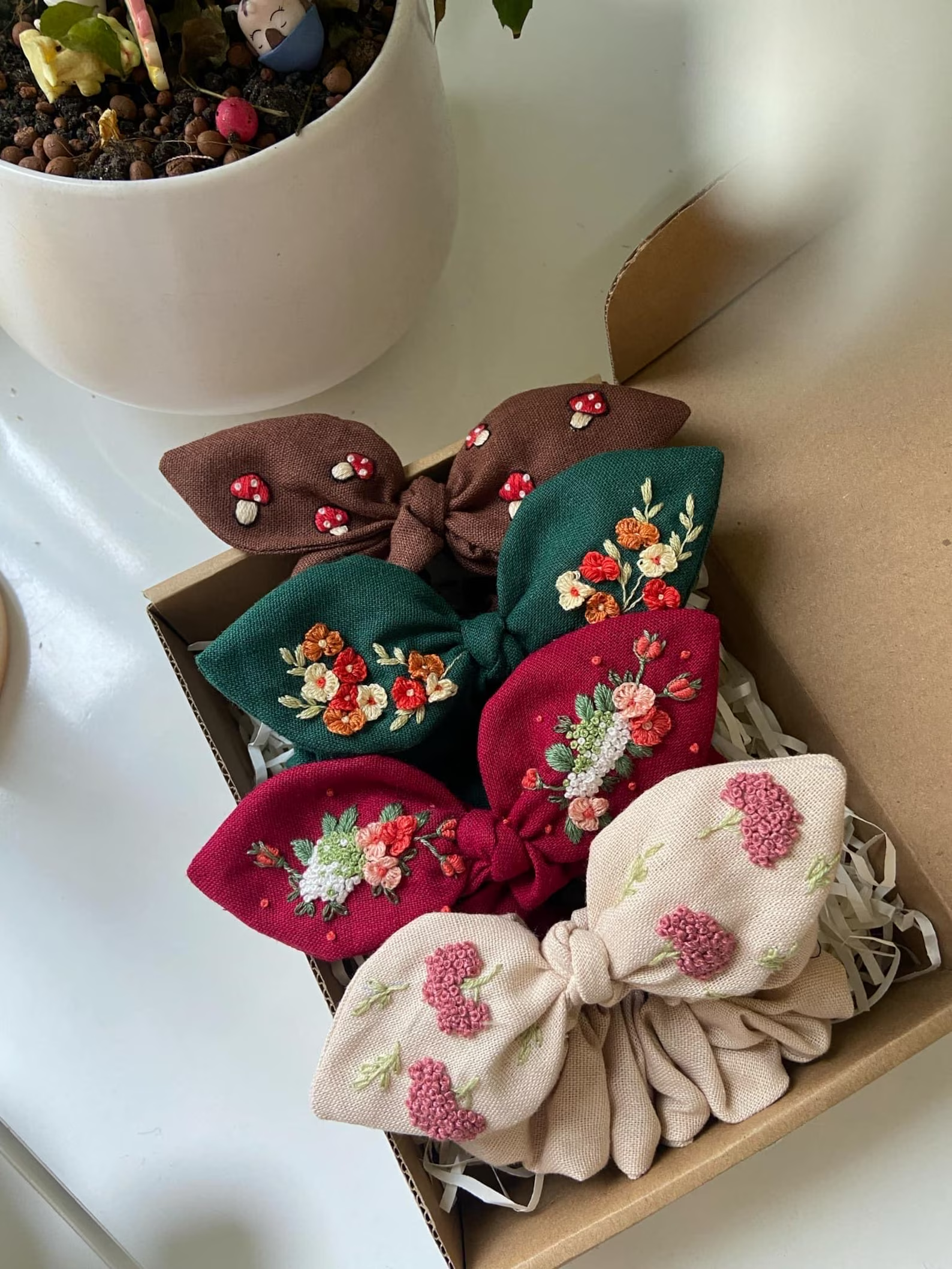
If thin elastics crease your crown hair or tug at your front bangs, a wider fabric tie may be worth trying. Our Linen Bow Scrunchie is a hand-embroidered linen scrunchie with a bow.
How to Style Fringe and Ponytail Updos: Step-by-Step Method
To style a balanced fringe and ponytail, section out your bangs first, gather the rear hair at your chosen base height, secure it with a hair tie, and then shape the front layers so they blend into the updo.
Creating dependable ponytail and fringe styles does not require complicated salon tools. It relies on a logical order of operations. When you separate your front fringe before gathering the remaining length, you keep control over tension and placement, so your bangs with ponytail hairstyle look more intentional from every angle.
Step 1: Section and Isolate the Fringe Cleanly
Begin with dry, detangled hair. Use a wide-tooth comb or your fingertips to define the triangular parting of your bangs. The apex of this triangle usually sits one to two inches behind the front hairline, angling down toward the outer arches of your eyebrows.
Isolate this fringe section completely from the rest of your hair. Secure it forward with a lightweight duckbill clip or a small hairpin so it does not accidentally get caught when gathering the back. If you wear curtain bangs or face-framing tendrils along the temples, decide now whether to leave them loose or pull them into the base. Separating these layers early helps avoid accidental pulling later.
Step 2: Build Gentle Volume at the Crown
Before gathering the ponytail base, address the crown area directly behind your bangs parting. If hair lies completely flat against the skull here, the transition between front bangs and rear gather can appear stark. Use your fingers to gently lift root sections around the crown.
For fine hair textures, a light dusting of texturizing powder or a gentle pinch-and-lift motion at the roots provides subtle support. Avoid aggressive backcombing, which tangles fibers and makes evening brush-outs difficult. Aim for an organic, curved profile that bridges the forehead fringe with the rear gather.
Step 3: Secure the Ponytail Base with Thoughtful Tension
Gather the remaining hair using both hands, sweeping strands toward your chosen elevation: low at the nape, mid-level across the ears, or high toward the crown. Smooth the sides with your palms while keeping crown volume relaxed. A secure base matters, so it helps to know how to use a hair tie without pulling at the roots.
Wrap a flexible fastener around the gathered base. Thin rubber elastics can pinch the hair, so many people prefer a wider fabric wrap such as a scrunchie. Loop the fastener just enough times to hold the weight, and keep it loose enough that it does not pull on your scalp. If you want to compare fabric fasteners, our handmade scrunchies and hair ties collection has some to look at. You can browse our handmade hair ties if you want something soft for the ponytail base.
Step 4: Shape and Blend the Fringe into the Updo
Unclip your front fringe section. If your bangs have flattened or separated during preparation, use a small round brush and a blow-dryer on medium heat to redirect the roots. Roll curtain bangs away from the face toward the temples, or blow blunt bangs downward using sweeping side-to-side passes.
Let the hair cool completely before touching it, because heat-styled hair tends to set as it cools. Once cool, use your fingertips to guide longer side fringe layers backward toward the ponytail base, merging the front and rear silhouettes into a cohesive ponytail and bangs profile.
Step 5: Refine Temple Tendrils and Anchor Flyaways
Inspect your profile in a handheld mirror. If the transition between your bangs and the updo looks too rigid, gently pull a few fine strands free directly in front of the ears. These delicate temple tendrils soften the jawline and give your ponytail fringe an effortless, lived-in feel. If you like to leave some length loose, try a ponytail and hair down style for a softer silhouette.
Tame any unwanted crown flyaways by smoothing a tiny dab of hair balm or natural oil over your palms and lightly pressing along surface strands. Avoid drenching the roots in wet styling products, which can cause bangs to clump or separate into stringy sections during the day.
Studio Tips for Fringe and Ponytail Shape and Texture
Useful studio tips include reshaping the roots on their own, keeping the crown relaxed, and keeping the hold at your temples loose rather than tight.
The Base Separation Method for Density Balance: If you have thick hair, gathering all strands into a single tie can drag your fringe backward. Separate your hair into two horizontal tiers: anchor the lower half at the nape first, then gather the top crown section into that existing base. This two-tier method spreads the weight more evenly, so your bang and ponytail combination pulls less on the fringe.
Pinch-and-Pull Crown Loosening: After fastening your updo, slide your fingertips under the hair directly behind the fringe line. Gently pinch small sections and pull upward by a few millimeters. This creates soft dimension, helps avoid a flat crown, and can soften any parting line between your bangs and ponytail base.
Restoring Flattened Roots Without Washing: Bangs tend to pick up natural forehead oils faster than the rest of your hair. Instead of washing your whole head, isolate the fringe, mist roots lightly with water or gentle dry shampoo, and blow-dry using a small vented brush for sixty seconds. That can bring back some bounce in your ponytail fringe while the rest of your updo stays put.
Layering Linen Hair Accessories for Handmade Detail: When styling a loose, cottagecore-inspired updo, combine a fabric scrunchie at the base with a small embroidered linen barrette or snap clip just above the temple. This gives stray, growing-out fringe layers somewhere to go while adding handmade detail to your everyday routine. A little nostalgia can be fun too, so see our 90s hairstyles with scrunchies for more playful ideas.
Common Mistakes to Avoid with Bangs and Ponytails
Common styling errors include pulling hairline strands too tightly, gathering fringe sections into the ponytail base, and over-applying heavy styling products that cause bangs to clump.
Mistake: Pulling Crown Hair Too Tightly Around the Hairline: Securing a ponytail with excessive tension pulls directly on the roots near the forehead and temples. The American Academy of Dermatology notes that hair pulled back tightly over and over can cause traction alopecia, a type of hair loss. Fix this by gathering hair loosely around the perimeter, using a wide fabric-wrapped tie, and releasing the base if you feel pulling on your scalp. See a dermatologist if you notice thinning.
Mistake: Gathering Bangs into the Base Before Setting Silhouette: Sweeping your entire head into a ponytail and then trying to yank bangs free leaves jagged partings and uneven tension. Strands get trapped awkwardly, resulting in a misshapen bangs ponytail. Always clip your fringe forward first, build your ponytail base cleanly, and style front layers as a dedicated finishing step.
Mistake: Overloading Front Strands with Heavy Finishing Sprays: Applying stiff hairsprays directly onto bangs freezes them into rigid, separated sections that clash with a relaxed ponytail. Instead, spray product onto a clean comb or spoolie brush, then run it through fringe edges to control stray hairs while keeping touchable, natural movement intact.
Fringe and Ponytail FAQ
How do you keep bangs from separating when wearing a ponytail?
Bangs often separate because of forehead oils, perspiration or cowlicks. To prevent separation, blow-dry the root area immediately after washing, directing airflow left and right across the brow to neutralize root direction. Avoid touching your forehead throughout the day, and use a light dusting of translucent powder along your brow line to absorb excess oil before it transfers to your hair.
Can you create a sleek ponytail with bangs without flattening crown volume?
Yes. The technique involves smoothing only the sides and nape while leaving the crown relaxed. Comb side sections sleekly backward past the ears using a light hair paste, secure the ponytail firmly, and then use the end of a tail comb to gently lift the hair sitting directly behind your fringe parting.
How do you blend a grown-out fringe into a high ponytail?
When fringe layers reach cheekbone or jaw length, integrate them gradually. Part grown-out bangs down the center or slightly to one side, softly curl the ends outward, and allow them to drape naturally past the ears rather than forcing them into the high base. Alternatively, twist the ends loosely and pin them near the crown with small linen-covered clips.
What is an effective way to secure a ponytail without creasing fine hair?
Switching from narrow elastics to wide fabric scrunchies or soft ribbon ties is one good option. A wider wrap spreads its hold over more hair than a thin band does. Fasten it snugly without over-twisting, and you may see fewer ridge marks when you release your hair later.
How do you style a low ponytail with curtain bangs for casual days?
Create a clean center part from your forehead back to the crown. Let curtain bangs drape naturally along both temples, curving outward past cheekbones. Gather the rest of your hair at the nape with a loose fabric scrunchie, then pull two small wisps free near the earlobes for a relaxed, romantic finish.
Embracing Relaxed Everyday Elegance with BabunobGem
Mastering a fringe and ponytail updo comes down to balancing your front layers with a well-placed base. Whether you favor soft curtain bangs or clean blunt lines, small details can turn a simple gather into an intentional daily hairstyle. At BabunobGem, we hand-embroider linen hair accessories in small batches in our Ho Chi Minh City studio. Take your time shaping your layers and enjoy a look that feels like your own.
New here? Get 10% off your first order
Join our list for new small-batch designs and restocks, or browse the collection now.
Note: Each piece is embroidered by hand, so stitches and colors can vary slightly from the photos. Fit and feel depend on head size, hair type and how you wear it. This guide is for general information only.